Heavy Prairie Rainfall
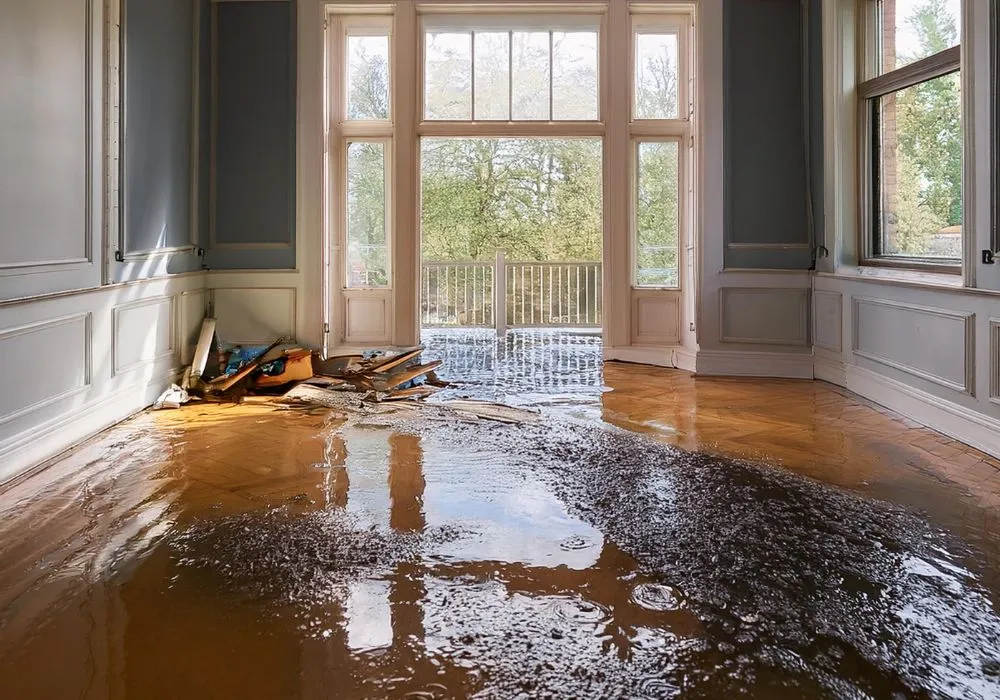
Intense summer storms can overwhelm surface drainage, pool water beside foundations and expose weaknesses around windows, walls and service penetrations.


KB Better Construction provides emergency extraction, contaminated-water cleanup, structural drying, insurance documentation and complete flood repairs.
Standing water or sewage? Keep people and pets out of the area and call now. Response time depends on property location, road and weather conditions, crew availability and current demand.Flood damage restoration is the process of making the site safe, identifying the water source and contamination risk, extracting standing water, removing unsalvageable materials, cleaning affected areas, drying the structure and rebuilding damaged finishes. KB provides the complete process for Regina homes, businesses and multi-unit properties.
Regina properties can face several different flood mechanisms: intense rainfall, rapid snowmelt, blocked or frozen drainage, sump-pump failure, foundation seepage and sewer backup. Natural floodplain exposure is different from a basement leak or sewer event, but each requires the source and water conditions to be assessed before cleanup begins.
The City of Regina specifically advises residents to maintain sump pumps and backwater valves, direct downspouts and sump discharge away from foundations, clear window wells and keep storm drains open. Those recommendations reflect the practical ways water reaches local basements.
Intense summer storms can overwhelm surface drainage, pool water beside foundations and expose weaknesses around windows, walls and service penetrations.
Rapid thaw, frozen ground and snow stored near a foundation can direct meltwater toward basement walls before soil and drainage systems can absorb it.
A failed pump, power interruption, frozen discharge line or inflow beyond the system's capacity can allow water to rise quickly in a finished basement.
Wastewater entering through floor drains or plumbing fixtures presents a serious contamination hazard and requires a different cleanup plan than a clean pipe leak.
Frozen or debris-covered street drains can keep rainfall and melting snow from moving away from streets, alleys and nearby properties.
Poor grading, short downspouts, full window wells and foundation defects can concentrate water next to below-grade finished spaces.
Local context: Regina publishes property flood-protection guidance and has undertaken sewer-capacity upgrades intended to reduce backups during rainfall. See the City of Regina storm-drainage guidance.
Do not use household fans in a sewage-affected area or disturb suspect asbestos-containing materials. If the loss is a clean plumbing leak without outside water or sewage, our water damage restoration page explains that process in more detail.
A recent loss from a potable supply pipe may begin with lower contamination, but conditions can change as water contacts materials or remains in place.
Some appliance discharges and other used water can contain contaminants that affect cleaning, material salvage and worker protection decisions.
Sewage and water entering from outdoors may contain microorganisms, chemicals or debris. Porous materials often require controlled removal rather than drying alone.
The water category is determined from the source and actual site conditions. It should not be assigned from colour alone, and antimicrobial application is not a substitute for removal, cleaning and proper drying.
We identify the reported source, depth, affected areas, hazards and whether water is still entering.
The team evaluates safety, contamination, water migration and materials before defining the initial scope.
Appropriate pumps or extractors remove accessible standing water so detailed cleanup and drying can proceed.
Unsuitable porous materials and debris are removed when contamination, damage or trapped moisture makes salvage impractical.
Affected surfaces are cleaned and treated according to the source, material and site conditions.
Air movement and dehumidification are arranged for the remaining wet assemblies and adjusted during the project.
Moisture readings, photos, equipment and work performed may be documented for the owner and insurer.
KB can replace insulation, drywall, flooring, cabinetry and finishes after cleanup and drying are complete.

Floodwater can move under floating floors, into wall cavities, behind baseboards and through insulation. After extraction, KB maps the affected area and determines which materials can be cleaned and dried and which require controlled removal.
Drying equipment is selected and placed for the actual assembly. Moisture readings—not surface appearance alone—help determine when drying goals have been met. For sewage or outside water, contaminated porous materials may not be appropriate to dry in place.
Sewer Backup vs. Basement FloodMany Regina basements contain layered flooring, finished wall assemblies and older building materials. Moisture can remain concealed behind drywall or beneath flooring, and demolition may disturb materials that require testing before work proceeds.
When suspect asbestos-containing flooring, drywall compound, insulation or other material may be affected, KB can coordinate the appropriate assessment and asbestos-removal process. If fungal growth is already present, the project may also require a distinct mould-remediation scope.

KB can continue from flood mitigation into selective demolition and complete reconstruction. Depending on the loss, that can include framing repairs, insulation, drywall, flooring, trim, cabinetry, painting and coordination of related trades.
Keeping mitigation and repairs under one accountable project team can reduce handoffs and help maintain a clearer connection between the documented damage and the reconstruction scope.
Basement Rebuild ServicesRegina basements may be affected by intense rainfall, rapid snowmelt over frozen ground, sump-pump or discharge-line problems, sewer backup, blocked drainage, poor grading and foundation entry. Natural floodplain risk is separate from basement seepage or sewer backup, so the source must be identified before restoration begins.
Keep people and pets out, avoid electrical hazards and do not touch sewage or unknown floodwater. Stop a clean-water source only if it is safe. Photograph damage from a safe location, call a restoration company and notify your insurer. Contact Service Regina for suspected municipal sewer or water issues.
Sewage can contain harmful microorganisms and requires appropriate containment, protective equipment, removal and cleaning procedures. Household fans can spread contaminants. For anything beyond a very limited incident, keep out of the area and arrange professional assessment.
There is no fixed timeline. Extraction may begin immediately, while cleaning and structural drying often continue for several days. Contamination, the depth and spread of water, material removal, asbestos testing, insurance approvals and reconstruction can extend the project.
No. The decision depends on contamination, material type, physical damage, duration, accessibility and whether drying in place is realistic. Sewage-affected porous materials are treated differently from materials affected by a recent clean-water loss.
No, but prolonged moisture raises the risk. Fast extraction, removal of unsalvageable materials and verified structural drying help reduce that risk. If growth is visible or suspected, a separate mould assessment and remediation scope may be appropriate.
It depends on the policy and source of water. Sewer backup, overland flood and sudden plumbing escape may have different coverage, exclusions and limits. Contact your insurer promptly and ask which endorsements apply. KB can document damage and restoration work but cannot determine coverage.
Yes. KB can manage extraction, contaminated-material removal, cleaning, structural drying and documentation, then coordinate drywall, insulation, flooring, cabinetry, painting and other repairs required to restore the space.
Yes. Call 306-526-3687 for emergency dispatch. Arrival timing depends on the property location, weather, road conditions, crew availability and current demand. Call 911 if there is an immediate life-safety or structural emergency.
Call for 24/7 flood-response dispatch. For a non-emergency inspection or planned basement repair, request an assessment.