Structural Fire Damage
Heat and flame may damage framing, roofing, drywall, insulation, windows, mechanical systems and finishes. Safety and engineering needs are determined from actual conditions.
KB Better Construction secures the property, assesses fire and smoke residues, manages cleanup and suppression-water drying, documents the loss and rebuilds damaged spaces.
Active fire, smoke or carbon-monoxide danger? Get out, stay out and call 911. Contact KB after Regina Fire & Protective Services has released the property for restoration access.Fire damage restoration is the process of stabilizing a fire-damaged property, documenting the loss, addressing firefighting water, removing unsafe debris, cleaning smoke and soot residues, treating persistent odours and repairing the building. The exact scope depends on what burned, how smoke travelled and which materials can be safely restored.
KB provides fire and smoke damage restoration for Regina homes, rental properties, businesses and multi-unit buildings, with construction capability for the repairs that follow mitigation.
Regina Fire & Protective Services advises residents who see flames, smell smoke or hear an alarm to get out, stay out and call 911. For non-emergency City fire questions, call 306-777-7000.

Competent restoration separates each problem instead of treating every dark residue or odour the same way.
Heat and flame may damage framing, roofing, drywall, insulation, windows, mechanical systems and finishes. Safety and engineering needs are determined from actual conditions.
Residue can travel beyond the fire room through doorways, cavities and air movement. Its behaviour varies with the fuel, temperature and affected surface.
Suppression water can migrate through ceilings, walls and floors, creating a separate extraction, moisture-mapping and structural-drying requirement.
Odour can remain in porous materials and concealed spaces. Effective treatment begins with source removal and cleaning before supplemental deodorization.
Furniture, textiles, electronics and personal belongings require documentation and an item-specific decision to clean, evaluate, store or replace.
Fire can expose lead, asbestos, damaged batteries, chemicals and unstable materials. Testing or specialist handling may be required before demolition.
We gather the fire-department status, property type, affected areas, weather exposure and immediate stabilization needs.
After authorized access, openings may be secured and temporary protection installed to reduce weather, trespass or additional property damage.
Photographs, affected-area notes and preliminary scopes help establish what was damaged and what further evaluation is required.
Where suppression water is present, extraction, moisture assessment and controlled drying proceed alongside fire restoration.
Smoke pathways, residue characteristics and affected surfaces are evaluated before cleaning methods are selected and tested.
Unsafe or unsalvageable building materials are removed under the appropriate safety, testing and disposal requirements.
Source removal, surface cleaning and suitable deodorization methods are combined according to site conditions.
KB coordinates the building repairs, related trades and finishing work required to restore the property.
Completed work and available documentation are reviewed before the restored areas are returned to the owner.

Smoke from a low-oxygen fire, cooking fire, burning plastics or natural materials can leave very different residues. A method that works on one surface can smear, discolour or damage another. KB evaluates the material, residue and extent of migration before proceeding.
Work may include HEPA-controlled particulate removal, dry or wet cleaning, selective material removal and sealing only after sources have been appropriately addressed. No single sponge, chemical or machine is suitable for every fire.
Why Smoke and Soot RemainPersistent smoke odour often indicates residue remaining on a surface, inside a porous material or within a concealed space. Restoration begins with identifying and removing or cleaning the source.
Supplemental methods may be considered only after the site is assessed. Ozone, hydroxyl treatment, thermal fogging and sealants each have limitations, occupancy restrictions or application requirements; none should be promised automatically or used as a substitute for proper cleaning.
Smoke may enter returns, ducts or mechanical spaces. HVAC assessment is based on whether the system operated and where residues travelled.
Items are documented and evaluated by material, value, contamination and realistic restoration potential before a clean-or-replace decision.
Opening walls, ceilings and flooring in an older Regina property may disturb suspect asbestos-containing materials or lead-containing coatings. Fire debris can also contain sharp objects, damaged batteries and combustion by-products.
Testing and controlled procedures may be required before demolition. KB also provides a dedicated asbestos-removal service.
KB Better Construction is an IICRC-certified firm (Company ID #70219440). The restoration scope is based on documented property conditions rather than a predetermined cleaning package.
As owner, Kenton provides a clear local point of accountability while the team coordinates stabilization, mitigation and reconstruction. For larger or technically complex fire losses, the project may also involve adjusters, engineers, environmental consultants, inspectors and licensed trades.
About KB Better Construction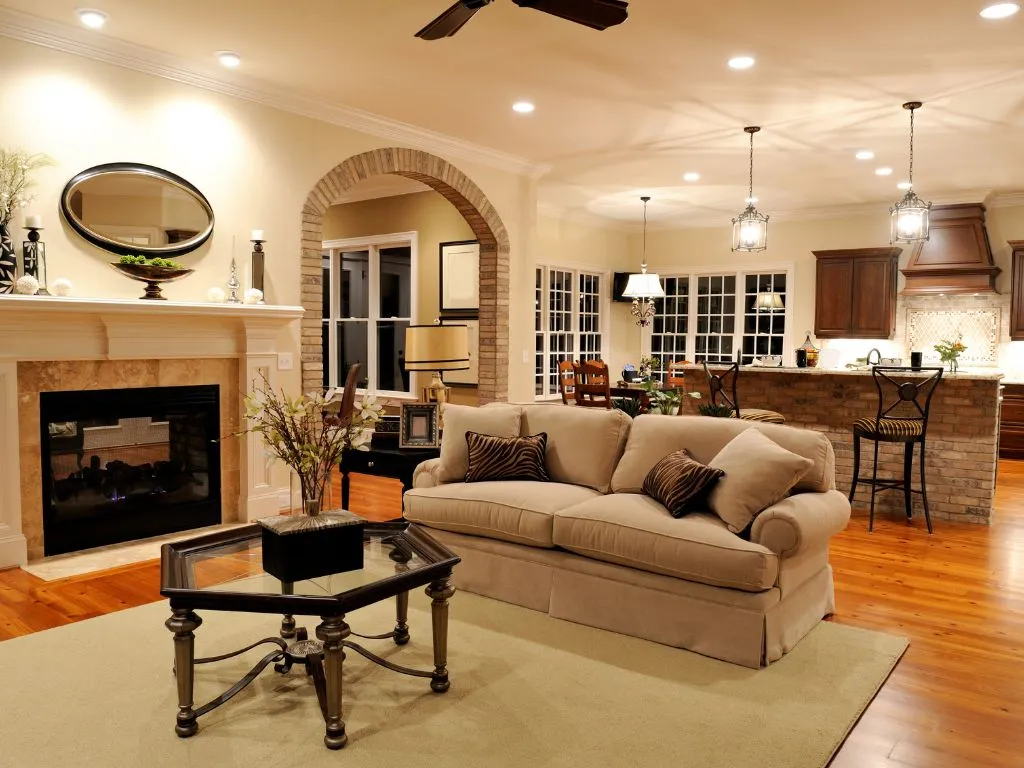
Once the property is stabilized, unsafe materials are addressed and cleaning is complete, KB can coordinate the repair phase. The scope may include framing, insulation, drywall, flooring, cabinetry, painting, roofing, exterior repairs and mechanical or electrical trades.
Permits, inspections and code requirements depend on the work. The goal is a documented, safe and complete reconstruction—not simply making the visible surfaces look clean.
Explore Rebuild CapabilitiesDocumentation may include photographs, affected-area notes, emergency measures, suppression-water readings, material-removal records and detailed repair estimates. Contents documentation and specialist reports may also be required depending on the loss.
Coverage, limits, deductibles and approvals are determined by your insurer and policy—not by the restoration contractor. Report the loss promptly, ask about emergency authorization and temporary accommodation, and retain claim communications. KB can support the restoration record without promising a coverage outcome.
How KB Supports Property-Damage Claims →Get out, stay out and call 911. Do not re-enter until Regina Fire & Protective Services permits access. Notify your insurer and call a restoration contractor for authorized stabilization. Do not turn utilities back on, touch soot-covered surfaces or discard contents before documentation unless authorities direct you to do so.
It may include board-up, weather protection, documentation, suppression-water extraction and drying, debris removal, smoke and soot cleaning, odour control, contents coordination and repairs. The actual scope depends on structural conditions, residues, affected materials and insurance authorization.
There is no reliable universal timeline. Stabilization may begin promptly, while investigation, hazardous-material testing, engineering, contents decisions, insurance approvals, permits and reconstruction can extend the project. A contained smoke loss is very different from a major structural fire.
Yes. Smoke and fine particles can move through openings, wall and ceiling cavities and air movement. The assessment may include adjacent rooms, concealed spaces and HVAC components depending on how the fire developed and whether mechanical systems operated.
Improper cleaning can smear residue, permanently mark surfaces or expose occupants to contaminants. Avoid household vacuums and aggressive wiping. A restoration professional should first identify the residue and test a suitable cleaning method on the affected material.
No single deodorization method works for every fire. Odour control starts by removing damaged sources and cleaning residues. Supplemental treatments have specific limitations and safety requirements and should be selected only after the property and remaining materials are assessed.
Contents should be photographed and inventoried before disposal where practical. The decision to clean, evaluate, store or replace an item depends on its material, condition, contamination, value and insurer requirements. Some specialized contents work may require a separate provider.
Coverage depends on the policy, cause, exclusions, limits and claim decisions. Contact your insurer promptly. KB can document property conditions and restoration work, but only the insurer can confirm coverage, temporary accommodation and settlement terms.
Yes. KB can coordinate emergency stabilization and building mitigation, then continue into the repairs required after the property is cleaned and made ready for reconstruction. Specialist consultants or trades may be added when the scope requires them.
Yes. Call 306-526-3687 for 24/7 restoration dispatch after emergency services have been contacted. Response timing depends on fire-department access, location, weather, crew availability and current demand.
Call after emergency services have made the scene safe. KB can coordinate stabilization, cleanup, documentation and the reconstruction that follows.
KB Better Construction secures the property, assesses fire and smoke residues, manages cleanup and suppression-water drying, documents the loss and rebuilds damaged spaces.
Active fire, smoke or carbon-monoxide danger? Get out, stay out and call 911. Contact KB after Regina Fire & Protective Services has released the property for restoration access.Fire damage restoration is the process of stabilizing a fire-damaged property, documenting the loss, addressing firefighting water, removing unsafe debris, cleaning smoke and soot residues, treating persistent odours and repairing the building. The exact scope depends on what burned, how smoke travelled and which materials can be safely restored.
KB provides fire and smoke damage restoration for Regina homes, rental properties, businesses and multi-unit buildings, with construction capability for the repairs that follow mitigation.
Regina Fire & Protective Services advises residents who see flames, smell smoke or hear an alarm to get out, stay out and call 911. For non-emergency City fire questions, call 306-777-7000.
Competent restoration separates each problem instead of treating every dark residue or odour the same way.
Heat and flame may damage framing, roofing, drywall, insulation, windows, mechanical systems and finishes. Safety and engineering needs are determined from actual conditions.
Residue can travel beyond the fire room through doorways, cavities and air movement. Its behaviour varies with the fuel, temperature and affected surface.
Suppression water can migrate through ceilings, walls and floors, creating a separate extraction, moisture-mapping and structural-drying requirement.
Odour can remain in porous materials and concealed spaces. Effective treatment begins with source removal and cleaning before supplemental deodorization.
Furniture, textiles, electronics and personal belongings require documentation and an item-specific decision to clean, evaluate, store or replace.
Fire can expose lead, asbestos, damaged batteries, chemicals and unstable materials. Testing or specialist handling may be required before demolition.
We gather the fire-department status, property type, affected areas, weather exposure and immediate stabilization needs.
After authorized access, openings may be secured and temporary protection installed to reduce weather, trespass or additional property damage.
Photographs, affected-area notes and preliminary scopes help establish what was damaged and what further evaluation is required.
Where suppression water is present, extraction, moisture assessment and controlled drying proceed alongside fire restoration.
Smoke pathways, residue characteristics and affected surfaces are evaluated before cleaning methods are selected and tested.
Unsafe or unsalvageable building materials are removed under the appropriate safety, testing and disposal requirements.
Source removal, surface cleaning and suitable deodorization methods are combined according to site conditions.
KB coordinates the building repairs, related trades and finishing work required to restore the property.
Completed work and available documentation are reviewed before the restored areas are returned to the owner.
Smoke from a low-oxygen fire, cooking fire, burning plastics or natural materials can leave very different residues. A method that works on one surface can smear, discolour or damage another. KB evaluates the material, residue and extent of migration before proceeding.
Work may include HEPA-controlled particulate removal, dry or wet cleaning, selective material removal and sealing only after sources have been appropriately addressed. No single sponge, chemical or machine is suitable for every fire.
Why Smoke and Soot RemainPersistent smoke odour often indicates residue remaining on a surface, inside a porous material or within a concealed space. Restoration begins with identifying and removing or cleaning the source.
Supplemental methods may be considered only after the site is assessed. Ozone, hydroxyl treatment, thermal fogging and sealants each have limitations, occupancy restrictions or application requirements; none should be promised automatically or used as a substitute for proper cleaning.
Smoke may enter returns, ducts or mechanical spaces. HVAC assessment is based on whether the system operated and where residues travelled.
Items are documented and evaluated by material, value, contamination and realistic restoration potential before a clean-or-replace decision.
Opening walls, ceilings and flooring in an older Regina property may disturb suspect asbestos-containing materials or lead-containing coatings. Fire debris can also contain sharp objects, damaged batteries and combustion by-products.
Testing and controlled procedures may be required before demolition. KB also provides a dedicated asbestos-removal service.
KB Better Construction is an IICRC-certified firm (Company ID #70219440). The restoration scope is based on documented property conditions rather than a predetermined cleaning package.
As owner, Kenton provides a clear local point of accountability while the team coordinates stabilization, mitigation and reconstruction. For larger or technically complex fire losses, the project may also involve adjusters, engineers, environmental consultants, inspectors and licensed trades.
About KB Better ConstructionOnce the property is stabilized, unsafe materials are addressed and cleaning is complete, KB can coordinate the repair phase. The scope may include framing, insulation, drywall, flooring, cabinetry, painting, roofing, exterior repairs and mechanical or electrical trades.
Permits, inspections and code requirements depend on the work. The goal is a documented, safe and complete reconstruction—not simply making the visible surfaces look clean.
Explore Rebuild CapabilitiesDocumentation may include photographs, affected-area notes, emergency measures, suppression-water readings, material-removal records and detailed repair estimates. Contents documentation and specialist reports may also be required depending on the loss.
Coverage, limits, deductibles and approvals are determined by your insurer and policy—not by the restoration contractor. Report the loss promptly, ask about emergency authorization and temporary accommodation, and retain claim communications. KB can support the restoration record without promising a coverage outcome.
How KB Supports Property-Damage Claims →Get out, stay out and call 911. Do not re-enter until Regina Fire & Protective Services permits access. Notify your insurer and call a restoration contractor for authorized stabilization. Do not turn utilities back on, touch soot-covered surfaces or discard contents before documentation unless authorities direct you to do so.
It may include board-up, weather protection, documentation, suppression-water extraction and drying, debris removal, smoke and soot cleaning, odour control, contents coordination and repairs. The actual scope depends on structural conditions, residues, affected materials and insurance authorization.
There is no reliable universal timeline. Stabilization may begin promptly, while investigation, hazardous-material testing, engineering, contents decisions, insurance approvals, permits and reconstruction can extend the project. A contained smoke loss is very different from a major structural fire.
Yes. Smoke and fine particles can move through openings, wall and ceiling cavities and air movement. The assessment may include adjacent rooms, concealed spaces and HVAC components depending on how the fire developed and whether mechanical systems operated.
Improper cleaning can smear residue, permanently mark surfaces or expose occupants to contaminants. Avoid household vacuums and aggressive wiping. A restoration professional should first identify the residue and test a suitable cleaning method on the affected material.
No single deodorization method works for every fire. Odour control starts by removing damaged sources and cleaning residues. Supplemental treatments have specific limitations and safety requirements and should be selected only after the property and remaining materials are assessed.
Contents should be photographed and inventoried before disposal where practical. The decision to clean, evaluate, store or replace an item depends on its material, condition, contamination, value and insurer requirements. Some specialized contents work may require a separate provider.
Coverage depends on the policy, cause, exclusions, limits and claim decisions. Contact your insurer promptly. KB can document property conditions and restoration work, but only the insurer can confirm coverage, temporary accommodation and settlement terms.
Yes. KB can coordinate emergency stabilization and building mitigation, then continue into the repairs required after the property is cleaned and made ready for reconstruction. Specialist consultants or trades may be added when the scope requires them.
Yes. Call 306-526-3687 for 24/7 restoration dispatch after emergency services have been contacted. Response timing depends on fire-department access, location, weather, crew availability and current demand.
Call after emergency services have made the scene safe. KB can coordinate stabilization, cleanup, documentation and the reconstruction that follows.