

Emergency services, utilities, building management and qualified trades may all have roles before mitigation begins.
Commercial property restoration in Regina
Control the damage. Protect the operation. Rebuild with one accountable team.
Emergency mitigation, commercial water and fire restoration, mould remediation, claim documentation and reconstruction for Regina businesses and managed properties.
IICRC-Certified Firm
Company ID #70219440
Owner Led
Local project accountability
Mitigation + Rebuild
One recovery plan
Regina Focused
Commercial and mixed-use properties
!
An active leak, fire opening or contaminated-water event should not wait for a quote.
Make the area safe, shut off the source if authorized, protect occupants and call for emergency direction.
Emergency guidance →
The commercial answer
What does commercial restoration include?
Commercial restoration stabilizes a damaged building, documents the loss, dries or cleans affected assemblies and reconstructs the space so operations can safely resume.
The right plan is not simply “dry everything.” It accounts for the water source, fire residues, possible hazardous materials, occupancy, business equipment, leases, health requirements and the parts of the building that must remain open.
Work areas, access routes, noise, dust, odour and tenant notices should be planned—not improvised after crews arrive.
Photographs, moisture readings, affected-material records and written scope help owners, adjusters and contractors discuss the same loss.
Drying is a milestone. Reopening may also require insulation, drywall, ceilings, flooring, paint, millwork and coordinated inspections.
Main commercial services
Match the response to the building and the interruption
Regina has everything from older masonry storefronts to modern offices, clinics, restaurants and metal-clad industrial buildings. Each responds differently to water, smoke and prolonged closure.
Commercial water-damage restoration
Extraction, moisture mapping, controlled drying and selective demolition after supply-line failures, roof entry, sprinkler discharge or sewer backup.
- Offices and retail units
- Warehouses and shops
- Multi-tenant properties
Fire and smoke restoration
Emergency enclosure, residue assessment, cleaning coordination, odour control and reconstruction after localized or building-wide fire damage.
- Smoke migration between units
- Water used in suppression
- Electrical and finish damage
Commercial mould remediation
Source investigation, containment, controlled removal and cleaning where persistent moisture has affected concealed or occupied areas.
- Basements and roof assemblies
- Vacant tenant spaces
- Repeated condensation or leaks
Flood and storm recovery
Pumping, contamination-aware cleanup, drying and repairs after intense rainfall, overland entry, drainage overload or wind-driven envelope damage.
- Lower-level storage
- Loading and service areas
- Roof and exterior openings
Insurance-loss documentation
Site records, moisture data, photographs, material quantities and separate mitigation and reconstruction scopes for owner and adjuster review.
- Cause and affected areas
- Emergency work completed
- Repair scope and changes
Commercial reconstruction
Repairs coordinated around code, leases, accessibility, opening priorities and durable finishes—not a premature “pre-loss” promise.
- Commercial flooring
- Drywall and ceilings
- Commercial painting
Regina operating realities
Commercial restoration changes by district
Neighbourhood context matters because building age, use, shared walls, loading access and customer traffic affect containment and reopening—not because a postal code predicts a loss.
Offices, retail and shared building systems
A failed riser or sprinkler line can affect multiple floors and tenants. Elevator access, parkade routes, records and phased occupancy become part of the plan.
Older structures with modern business uses
Restaurants, studios, fitness spaces, shops and venues can occupy former warehouse buildings. High ceilings, masonry, timber and layered renovations change drying and smoke-cleaning decisions.
Warehouses, service bays and equipment
Large footprints require mapped drying zones. Loading access, inventory, power, racking and production priorities should be recorded before demolition begins.
Mixed commercial and industrial properties
Older finishes, attached work areas and varied property uses may require environmental testing and careful separation between operating and restoration zones.
Retail, restaurant and professional space
Newer construction does not prevent roof, sprinkler, plumbing or storm-water losses. Customer-facing areas often benefit from phased work and after-hours scheduling.
Drainage and surface-water awareness
Where intense rain produces ponding or drainage pressure, managers should protect lower-level electrical, stock and mechanical assets and maintain an emergency contact plan.
Regina’s Warehouse District represents more than 550 businesses, while the City continues northeast storm-sewer work intended to reduce street and basement flooding. These are planning signals, not claims that either district experiences the most property damage.
Illustrative Regina scenarios
01
02
03
04
05
06
What the first restoration plan should solve
These examples show how scope changes by property type. They are not presented as specific KB projects.
Downtown office: overnight supply-line leak
Stop the source, map water above and below the visible area, protect electronics and records, coordinate elevator access and determine whether unaffected floors can remain occupied.
Water mitigation · Tenant coordination · Phased reopeningWarehouse District restaurant: kitchen fire
Separate fire residue from suppression water, assess smoke movement through open ceilings and shared assemblies, protect adjacent tenants and coordinate food-service cleaning requirements.
Fire and smoke · Odour · ReconstructionRoss Industrial shop: roof and wind entry
Establish a safe temporary enclosure, isolate affected inventory, document equipment exposure, divide the building into manageable drying zones and keep loading routes clear.
Storm response · Inventory protection · Large footprintHarbour Landing retail unit: sprinkler discharge
Coordinate with building management and sprinkler contractors, document stock and tenant improvements, dry wall cavities and flooring, then sequence repairs around reopening priorities.
Water extraction · Claim records · Commercial finishesEastview mixed-use building: recurring hidden leak
Find and correct the moisture source, inspect concealed assemblies, assess suspect legacy materials before disturbance and contain mould work from occupied areas.
Mould · Environmental testing · Occupant protectionNortheast property: intense-rain backup
Identify the water category and affected utilities before entry, remove unsalvageable porous materials, clean and dry the structure, and document drainage or backflow concerns for follow-up.
Contaminated water · Drying · Prevention review
Commercial recovery sequence
01
02
03
04
05
06
From first call to operational handoff
Triage
Confirm hazards, source status, occupancy and immediate business priorities.
Stabilize
Control exposure, extract water, enclose openings and establish work zones.
Document
Record affected areas, readings, materials, contents and emergency work.
Mitigate
Dry, clean, remove and monitor according to the loss and work plan.
Reconstruct
Coordinate approved repairs, inspections, finishes and tenant requirements.
Handoff
Review completed scope, records, remaining items and reopening sequence.
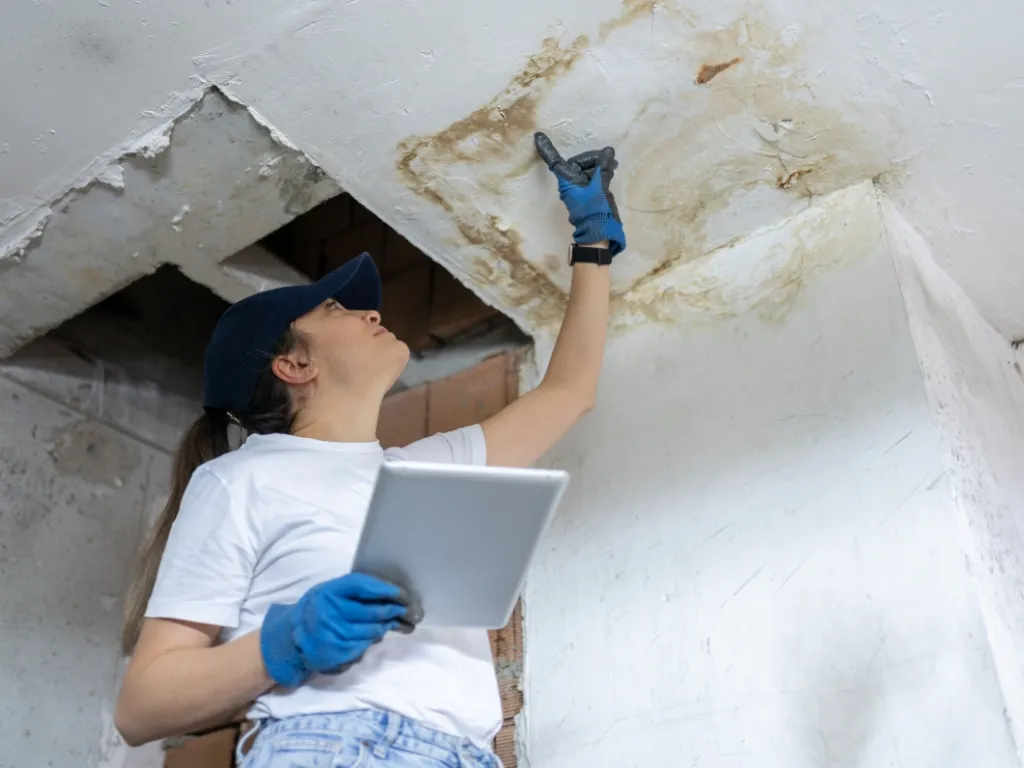
Evidence before assumptions
Documentation that helps a commercial claim move
KB records what was observed and what was done. The insurer determines coverage, while the owner or authorized representative approves work according to the contract and claim process.
- Cause information and source-control status
- Room, floor and tenant-area photographs
- Moisture readings and equipment records where applicable
- Materials removed and quantities affected
- Mitigation and reconstruction scopes kept understandable
- Change documentation when concealed damage alters the plan
Why KB Better Construction
Restoration decisions with construction consequences in mind
Some national competitors emphasize response scale; others emphasize cleaning. KB’s advantage is a locally accountable plan that connects mitigation decisions to the commercial space that must be rebuilt and reopened.
- Priorities established with the owner or property manager
- Occupied and unaffected areas considered in the work plan
- Environmental testing coordinated before suspect materials are disturbed
- Commercial finishes and reconstruction planned early
- One project narrative from emergency work through repairs
Commercial restoration answers
Questions Regina property teams ask first
Direct answers for owners, facility managers, landlords and tenants.
What should we do before the restoration crew arrives?
Protect people first. Follow emergency-service and utility instructions, keep occupants out of unsafe areas, stop the source only if you are authorized and can do so safely, and avoid operating electrical equipment in wet areas. Preserve security footage, incident details and initial photographs when safe.
Can part of the business stay open during restoration?
Sometimes. The decision depends on life safety, utilities, air movement, contamination, access and the ability to isolate work. A phased plan may separate unaffected operations from containment, drying or reconstruction, but reopening should never be promised before the site is assessed.
How quickly can KB respond in Regina?
KB accepts emergency calls 24/7. Actual arrival depends on location, weather, access, crew safety and demand at the time of the event. The first call can still establish source status, hazards and immediate protective steps.
Do you work with commercial insurance adjusters?
Yes. KB can provide photographs, moisture records, affected-material information and separate mitigation and reconstruction scopes. We support claim communication, but only the insurer can interpret the policy or confirm coverage.
Who authorizes emergency commercial work?
Authorization should come from the property owner or a person with documented authority, such as a property manager. Tenants should contact their landlord or manager unless their lease or emergency plan gives them authority. Immediate life-safety services operate separately.
Can you restore multi-tenant and occupied buildings?
Yes, depending on scope and safety. These projects require defined work zones, access planning, tenant communication, protection of common areas and coordination with building systems. Noise, dust, odour and shutdowns may need to be scheduled in phases.
What if asbestos or another hazardous material is suspected?
Stop disturbance in the affected area. Building age and material appearance are not test results. Qualified assessment and laboratory testing may be required before demolition, particularly in older Downtown, Warehouse District, Eastview and other mature commercial properties.
How long does commercial restoration take?
There is no responsible standard timeline. The cause, size, contamination, material assemblies, environmental testing, equipment needs, insurer decisions, permits, inspections, products and operating constraints all affect duration. KB can establish milestones after assessment.
Does restoration return a building to its pre-loss condition?
That is often the insurance objective, but the approved scope, policy, code requirements, existing conditions and owner-selected upgrades determine the final work. KB documents the difference between loss-related repairs and elective improvements.
Does KB handle the reconstruction after drying or cleanup?
Yes. KB can coordinate insulation, drywall, ceilings, flooring, painting and other approved repairs after mitigation and required verification are complete. This reduces the accountability gap between emergency restoration and construction.
Protect the building and the operation
Commercial property damage in Regina?
Tell us the address, property use, source status, affected areas and whether the building is occupied.