
A house fire can leave several forms of damage at once. Heat may damage building materials. Smoke and soot can travel far from the fire area. Water used during firefighting can soak floors, ceilings, walls and lower levels. Fire restoration therefore often includes water mitigation as well as smoke and soot cleanup.
The IICRC fire and smoke restoration standard addresses fire-residue assessment, restoration cleaning and odour management. KB’s fire and smoke damage restoration services also include stabilization, suppression-water drying, residue cleanup, odour treatment and reconstruction.
Why is a house wet after a fire?
Firefighters may need significant water to control a fire. That water follows gravity, openings and building pathways, often travelling well beyond the room where the fire began.
Damage to windows, roofing, doors or exterior walls can also expose the property to rain, snow or outdoor air after the fire has been extinguished.
What gets addressed first?
Safety comes first. Do not enter a fire-damaged property until emergency authorities permit access. Do not turn utilities back on or disturb damaged materials without authorization.
For a step-by-step safety overview, read what property owners should do immediately after a house fire.
Why is firefighting water different from an ordinary leak?
The property already contains fire residue, damaged materials and debris. Wet surfaces may also contain smoke or soot. The restoration team must therefore consider both moisture and fire-related contamination.
Fire conditions
Heat damage, char, smoke pathways, soot residues, odours, unstable materials and damaged contents influence what can remain.
Water conditions
Standing water, absorbed moisture, wet insulation, saturated assemblies and concealed migration require extraction and drying.
A material that can technically dry may still need removal because it is physically damaged by heat, contains fire residue or must be opened to provide safe access.
What areas should be checked for water?
Assessment should follow water pathways rather than stopping at the visibly wet room.

How does structural drying work after a fire?
Once standing water is removed, absorbed moisture may remain inside flooring, framing, drywall, insulation and other assemblies. Drying must be coordinated with fire cleaning because both crews may require access to the same walls, floors and ceilings.
Heat, flame and smoke affect the building.
Firefighting controls the active fire.
Suppression water travels through materials.
Extraction and monitored drying address moisture.
Residues and odours are assessed and treated.
Damaged assemblies and finishes are reconstructed.
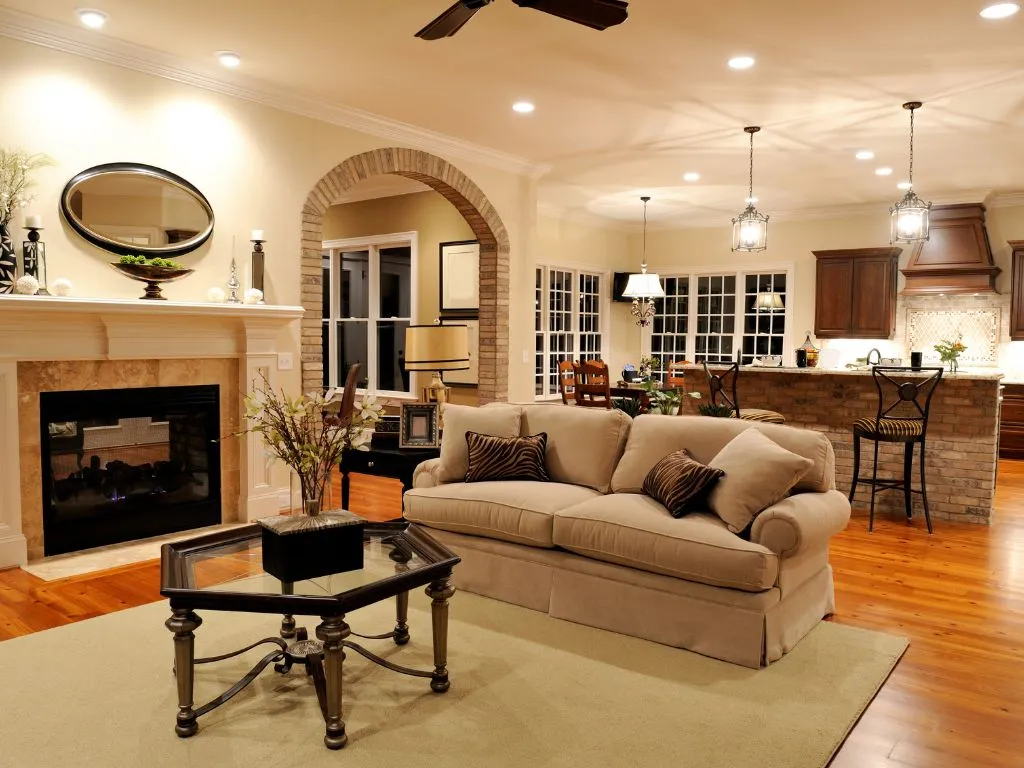
Professional water extraction and structural drying should continue until measurements and material conditions support the next restoration phase.
What happens to smoke-damaged wet drywall?
The contractor must evaluate both the water and fire conditions. No single save-or-remove rule applies to every wall or ceiling.
This combined evaluation is why water damage after a fire cannot be treated like a simple plumbing leak or basement flood.
What if the building contains asbestos?
Testing can change the restoration sequence
Older drywall compounds, insulation, flooring, ceiling products and other materials may require asbestos assessment before demolition. The current Saskatchewan Occupational Health and Safety Regulations include requirements for asbestos processes and demolition work.
KB Better Construction offers asbestos removal as a separate service when testing and the project scope require controlled hazardous-material work.
When does rebuilding begin?
Reconstruction begins when the building and affected work areas are ready. Depending on the loss, that may require drying completion, debris removal, hazardous-material work, repair-scope approval and permit review.
The full recovery sequence is explained in the guide from property cleanup through reconstruction.
Fire, smoke and suppression water should be assessed as connected parts of one loss. Drying, residue cleanup and rebuilding must be sequenced around actual site conditions.
Frequently asked questions
Why is there so much water after firefighting?
Fire suppression may require significant water. That water can move beyond the fire room and reach walls, floors, ceilings and lower parts of the property.
Does fire restoration include water extraction?
It often does when suppression water is present. KB’s fire-restoration process includes suppression-water assessment and drying where required.
Can firefighting water lead to mould?
Moisture that remains in building materials can create conditions that support mould. Prompt assessment and controlled drying reduce that risk.
Can wet drywall be saved?
Sometimes, but fire residue, contamination, heat damage, physical condition and access requirements also influence the decision.
When can rebuilding begin?
Rebuilding can begin after stabilization, required removal, drying, cleaning and other pre-reconstruction requirements are complete.
Need help after firefighting water enters your property?
Request an assessment for stabilization, water removal, smoke cleanup and coordinated reconstruction.