

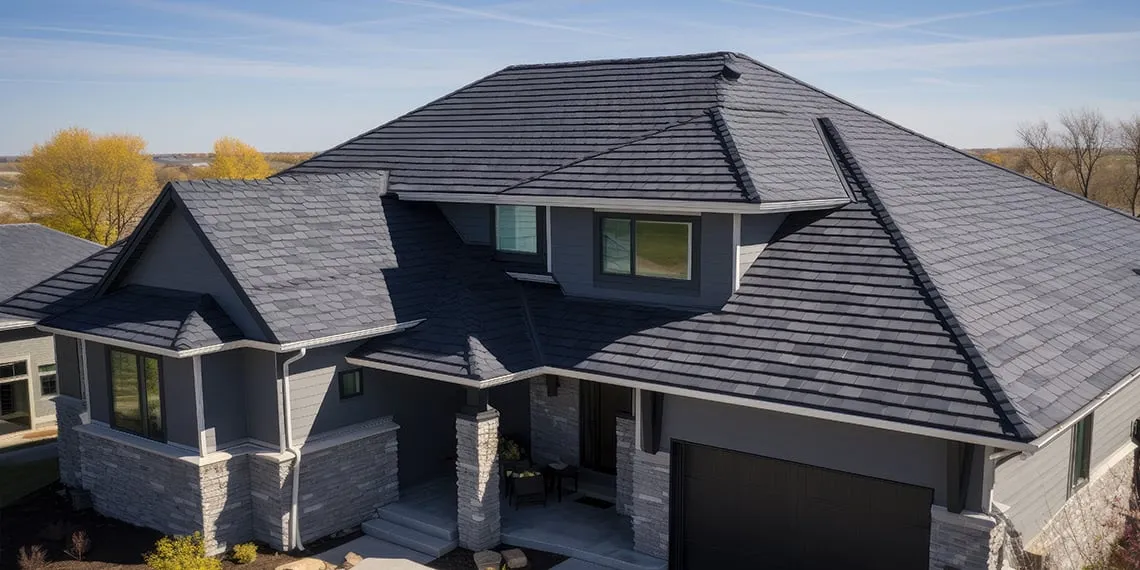
Storm damage restoration begins by answering two questions: what did the storm damage, and did that damage allow water or weather into the property? A severe Regina storm can affect shingles, siding, windows, exterior trim, gutters and other parts of the building envelope. Once water gets inside, the project becomes more than an exterior repair.
This broad guide explains how exterior damage, temporary stabilization, hidden moisture and reconstruction connect. Homeowners needing project-specific help can review professional property restoration services in Regina.
What counts as storm damage restoration?
The exact work depends on the building and the loss. A single event may require several coordinated stages.
What parts of a property should be checked?
Storm damage can be obvious or localized. Select each property area below to see what should be reviewed.
Interactive storm-damage inspection map
Roofing: Inspect shingles, flashing, valleys, vents, roof edges and penetrations for displacement, impact damage and openings.
Siding: Look for cracks, dents, loosened panels, missing sections and damage where siding meets windows, doors or roofing.
Windows: Check glass, frames, seals, exterior trim and the wall immediately below each opening for damage or water entry.
Gutters: Look for impact dents, separation, loose fasteners, blockages and downspouts that no longer carry water away correctly.
Attic: Check for new dampness, staining, wet insulation, dripping near penetrations and changes beneath damaged roof areas.
Interior: Review ceilings, walls, flooring and areas around windows, doors and exterior transitions for staining, softness or moisture.
For roof-specific damage, professional roof repair and inspection services can assess shingles, flashing, penetrations and the condition surrounding an impact area.

Why can wind-driven rain cause different leaks?
Rain does not always fall straight down. Wind can push water toward roof edges, vents, flashing and wall transitions differently from ordinary rainfall. A property may therefore leak only when wind and rain arrive from a particular direction.
Normal rainfall
Water generally follows gravity down the roof and into the normal drainage path.
Wind-driven rainfall
Wind pressure can push water sideways or upward toward joints, laps, edges and vulnerable transitions.
This is one reason intermittent leaks can be difficult to reproduce after the weather clears. Learn more about the connection between hail storms and hidden water damage.
When are roof tarping and board-up needed?
Temporary stabilization may be necessary when a storm leaves the building exposed. These measures limit additional weather entry while permanent repair is planned.
Temporary protection is not a permanent repair. When an opening or active water entry needs prompt stabilization, request emergency storm-damage response.
What happens after the property is secured?
Once immediate openings and safety concerns are controlled, the restoration team can determine whether water entered and how far it travelled. If water is present, the next stages may include extraction, moisture mapping and structural drying.
Identify openings and damaged building-envelope components.
Inspect the attic, walls, ceilings, floors and concealed areas.
Extract water and dry affected materials using measured progress.
Complete exterior repairs and required interior reconstruction.
KB Better Construction combines emergency mitigation with reconstruction, allowing the drying and repair phases to be coordinated after the building is secure.
When storm water reaches interior materials, professional water-damage restoration should assess visible and concealed moisture before finishes are replaced.
What should homeowners document?
Photograph and record conditions when it is safe. Avoid climbing onto damaged roofing or entering areas with electrical, structural or contamination hazards.
Storm repair versus restoration
The terms overlap, but they do not always describe the same project scope.
Storm repair
May focus on replacing a damaged roofing, siding, gutter or window component where damage remained localized.
Storm restoration
Considers the wider damage caused by the event, including exterior repairs, moisture mitigation and interior reconstruction.
For example, a leaking roof may require roof repair, attic drying, insulation replacement, ceiling repair and painting. Fixing the shingle alone does not restore materials that were already affected inside.
After a severe Regina storm, address active openings and water entry first. Permanent cosmetic work should follow stabilization, moisture assessment and drying.
Frequently asked questions
What should I inspect after a major Regina storm?
Roofing, siding, windows, drainage, attic areas and finished ceilings are logical starting points.
Can wind damage cause a leak?
Yes. Wind can damage roofing and push rain toward vulnerable roof edges, penetrations and wall transitions.
Can hail damage siding without breaking it completely?
Yes. Impact damage can be localized or subtle and may include dents, cracks, loosened connections or damaged transitions.
When should a roof be tarped?
Temporary tarping may be appropriate when an opening or serious defect needs weather protection before permanent repair.
Who repairs the interior after storm damage?
A restoration or reconstruction contractor can complete interior work after the exterior source and moisture conditions have been addressed.
Need help after wind, hail or storm water entry?
Request an assessment for emergency stabilization, hidden moisture and coordinated property repairs.